India’s electronic music journey has long been associated with colorful festivals, melodic drops, and high-energy EDM stages. But beneath the surface of mainstream nightlife, a darker, more introspective sound has been steadily growing. Industrial and dark techno have begun to reshape India’s club culture, offering an alternative rooted in raw rhythm, repetition, and emotional depth.
This movement is not about instant gratification. It is about atmosphere, tension, and immersion. From dimly lit clubs in Delhi to underground dance floors in Mumbai, industrial and dark techno are carving out a distinct identity within India’s evolving electronic music landscape.
Understanding Industrial and Dark Techno
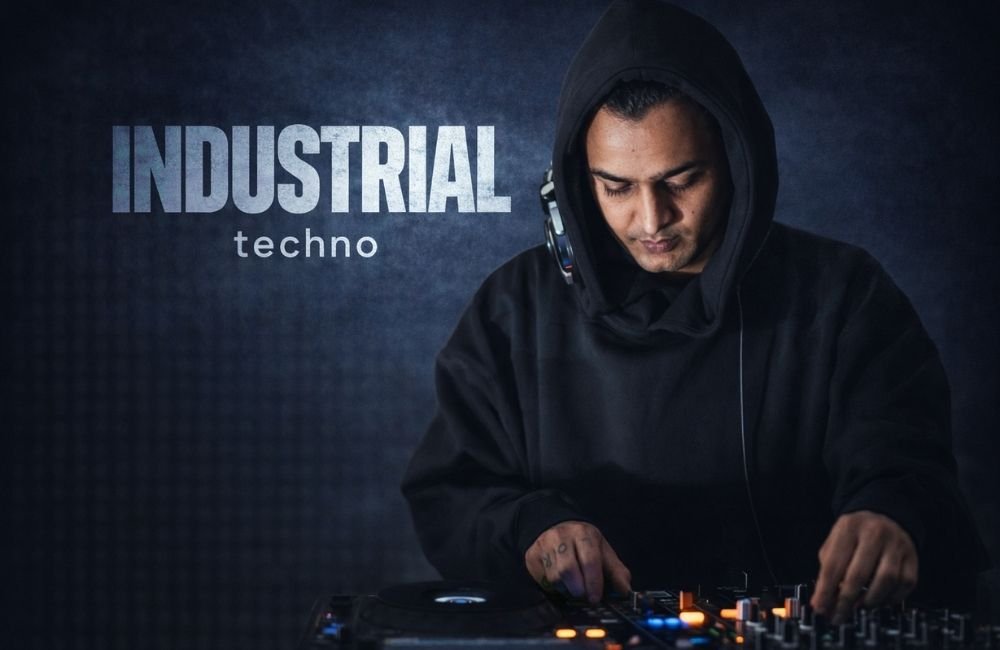
Industrial techno is defined by heavy, mechanical rhythms, distorted textures, and a relentless sense of motion. Dark techno, closely related, leans into mood and space, creating hypnotic soundscapes that feel both intense and meditative. Together, these styles reject commercial polish in favor of authenticity and sonic depth.
In the Indian context, this sound resonates with urban realities. Fast-growing cities, constant movement, concrete structures, and late-night energy provide a natural backdrop for darker forms of electronic music. Clubbers seeking something more immersive are turning away from formula-driven sets and toward music that tells a deeper story.
The Shift in India’s Club Culture
For years, club culture in India was dominated by accessible, high-tempo electronic music designed to appeal to mass audiences. While this helped electronic music grow in popularity, it also created a gap for listeners who wanted something more underground and expressive.
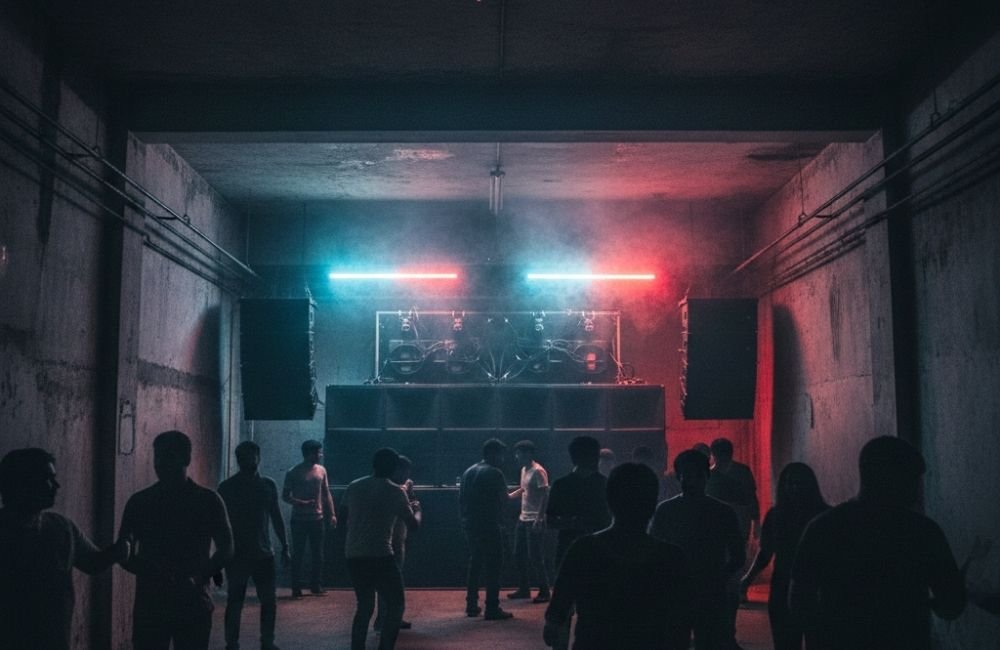
Industrial and dark techno have filled that gap. Clubs are now experimenting with longer sets, minimal lighting, and sound systems designed for depth rather than volume alone. The focus has shifted from spectacle to experience. Dancers are not just reacting to drops; they are entering a continuous flow of rhythm that unfolds slowly over time.
This change reflects a more mature audience. Listeners are developing patience and appreciation for subtle progression, which is central to techno’s underground philosophy.
Delhi and Mumbai as Driving Forces
Delhi and Mumbai play a critical role in the rise of industrial and dark techno in India. Delhi’s underground scene thrives on intensity and experimentation. Its club culture embraces raw sound and unconventional spaces, making it fertile ground for darker techno styles. The city’s audience is open to longer, deeper sets that challenge traditional club formats.
Mumbai, on the other hand, brings endurance and refinement. Known for its late-night culture, the city has become a hub for underground techno events that prioritize groove and consistency. Dark techno fits seamlessly into Mumbai’s nightlife, where dancers are willing to stay locked into rhythm for hours.
Together, these cities act as twin engines of India’s underground techno movement, influencing scenes across the country.
The Role of Indian Techno DJs and Producers
The growth of industrial and dark techno in India would not be possible without artists committed to the underground ethos. Indian techno DJs and producers are increasingly focusing on sound design, storytelling, and emotional resonance rather than commercial appeal.
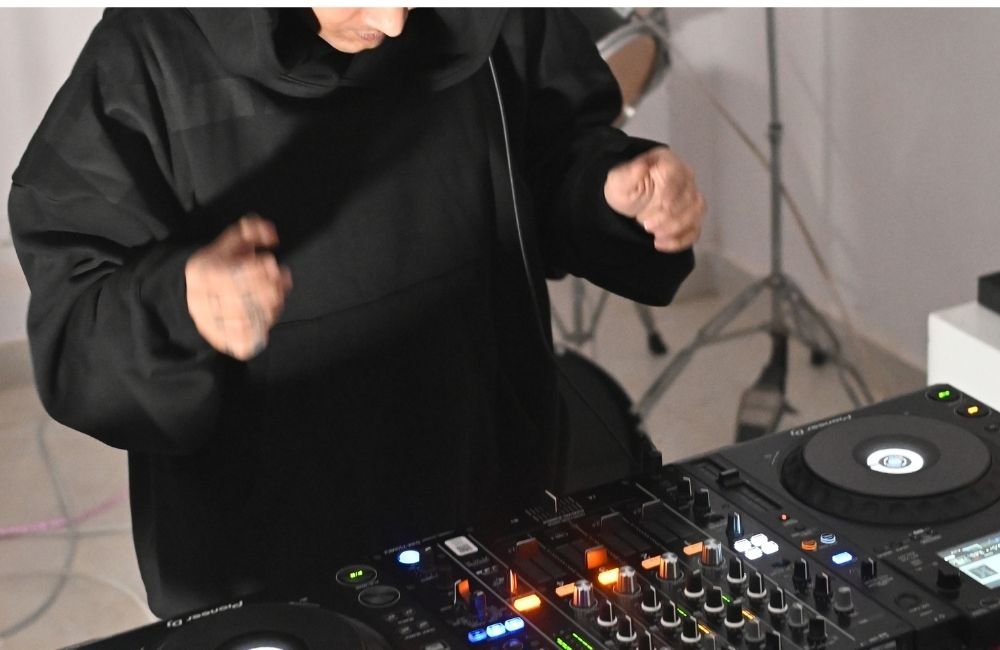
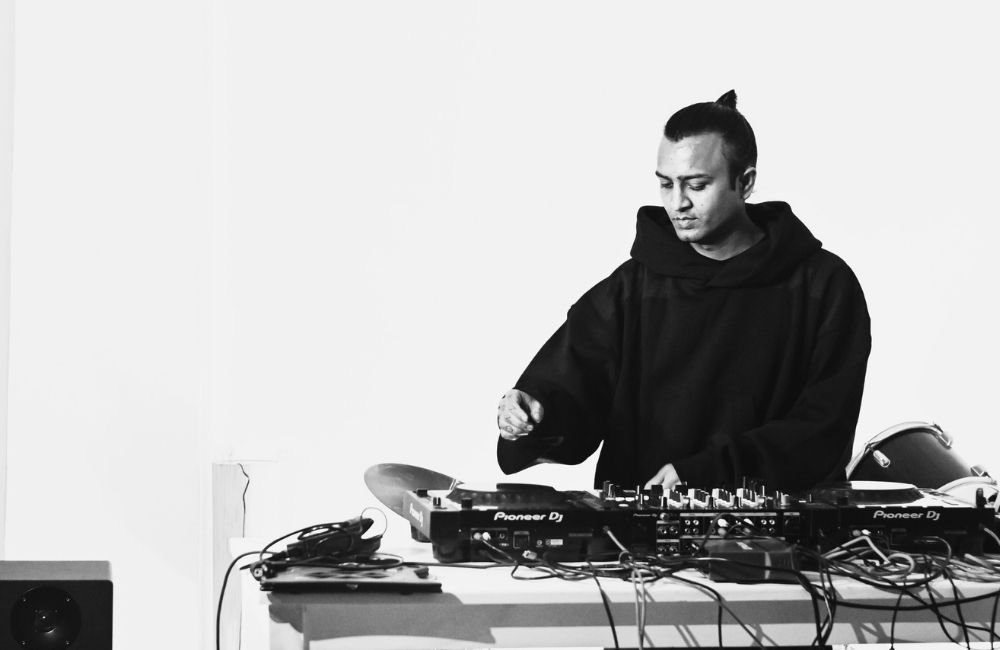
Artists like Avnavion represent this shift. Rooted in dark and industrial techno, such artists focus on creating immersive sonic journeys that align with global underground standards while remaining deeply connected to local club culture. Their presence helps legitimize the genre within India and exposes audiences to a more nuanced form of electronic music.
Underground Events and Community Growth
Another key factor in the rise of dark techno in India is the growth of underground events. These are not always heavily promoted or commercialized. Instead, they rely on word-of-mouth, close-knit communities, and carefully curated lineups.
These events emphasize sound quality, atmosphere, and respect for the dance floor. The audience is often deeply engaged, creating a shared sense of ritual rather than a casual party environment. This community-driven approach strengthens the scene and ensures that industrial and dark techno remain authentic rather than diluted.
Global Influence and Indian Identity
While industrial and dark techno have strong roots in European club culture, the Indian scene is developing its own identity. Artists are blending global influences with local experiences, creating a sound that feels both international and distinctly Indian.
This balance is crucial. It allows Indian techno to stand confidently on the global stage while maintaining cultural relevance at home. As Indian artists perform internationally and international sounds influence local clubs, a two-way exchange continues to shape the evolution of the genre.
The Future of Dark Techno in India
The rise of industrial and dark techno in India’s club culture is not a passing trend. It reflects a deeper change in how audiences experience electronic music. As listeners become more open to immersive, emotionally driven sound, the demand for underground techno will continue to grow.
Clubs will further adapt their spaces, promoters will take more creative risks, and artists will push sonic boundaries. The result will be a stronger, more self-aware techno culture that exists beyond mainstream definitions of nightlife.
Conclusion
Industrial and dark techno are redefining India’s club culture by offering depth, authenticity, and emotional connection. From Delhi and Mumbai to emerging scenes across the country, this movement represents a shift toward music that values experience over spectacle.
As underground communities grow and artists continue to explore darker sonic territories, India’s techno scene is entering a new phase—one that aligns with global underground values while expressing its own unique voice.
Call to Action
Explore the deeper side of India’s techno movement. Discover underground artists, attend curated techno events, and experience sound designed for immersion. For those seeking dark, industrial techno journeys, the underground is no longer hidden—it is rising.